Available 7 Days/Week       MON - FRI  8am - 7pm       SAT - SUN  10am – 6pm
Call us (888) 259-2257
Apply Now

Author: Fidelity Home Group Syndicated User

Buying Your First Home? It’s Okay To Feel Nervous

Buying Your First Home? It’s Okay To Feel Nervous Simplifying The Market

Buying your first home is exciting, but let’s be real – it can also feel overwhelming. It’s a big step, and with that comes plenty of questions. Am I making the right decision? Can I really afford this right now? Will I be able to make ends meet if I have unexpected repairs? What if I lose my job?

Here’s the thing: every first-time homebuyer has these thoughts.

The homebuying process has always been a mix of excitement and nerves, and that’s completely normal. Here’s some information that can give you a bit of perspective, so you don’t have these concerns.

Focus on What You Can Control

Since homeownership is new to you, you’re probably feeling like it’s hard to know what to budget for. And that can be a bit scary. You’ll have the mortgage, home insurance, and maintenance to think about – maybe even lawn care or homeowner’s association (HOA) fees. It’s easy to let the dollar signs be overwhelming. As Zillow says:

“Buying a house is a big decision, and you might feel confused and indecisive as you assess your current financial situation and try to work through whether or not the timing is right. Making big life choices might come with some self-doubt, but crunching the numbers and thinking about what you want your life to look like will help guide you down the right path.

The important thing is to focus on what you can control. By partnering with a local agent and a trusted lender, you can get a clear understanding of what you can borrow for your home loan, what your monthly payment would be, and how your mortgage rate can impact it. And since that payment will likely be your biggest recurring expense, the key is to make sure the number works for you.

Don’t Stress About Repairs

The maintenance and repairs? Those can be a little bit harder to anticipate. But don’t forget you’ll get an inspection during the homebuying process to give you a better look at the condition of your future house. And with your inspection report in hand, you’ll have a good idea of what needs work. This way, you can start saving up so that you’re ready if and when something breaks.

But even then, if this is something that’s still really nagging at you, talk to your agent about asking the seller to throw in a home warranty. Those can cover repairs for some of the bigger systems in the house, like the HVAC, if they break within a specific time frame. While this isn’t a huge expense for the seller, the likelihood of a seller agreeing to one depends on what’s happening in your local market and how competitive it is right now.

It’s Okay To Stretch – Just Not Too Far

And remember, chances are that money will be a little tight – at least at first. And that’s kind of to be expected. A lot of times when someone buys their first home, they cut down on things like shopping and eating out for a while until they get a better idea of how their expenses will shake out in the new home.

But if you’re crunching the numbers and you won’t have enough money left for things like gas, food, etc. – it’s a sign you’d be stretching yourself too far. The last thing you want is to take on a payment that’s too much to handle. But stretching a little? That’s different. That’s normal.

Your Job Will Probably Change – And That’s Okay

And don’t forget, you’ll likely earn more down the road, so that slight stretch now won’t seem so bad as time wears on. As you advance in your career, you’ll probably start to make more money too. So, as your paycheck grows, the payments will get easier. Renting is a short-term option – and it’s one you deserve to get out of. Buying a home is a long-term play.

And just in case you’re worried about what happens if you do lose your job, you should know there are options, like forbearance, designed to help you temporarily pause payments on your home loan due to hardship.

Bottom Line

Buying your first home is a big decision, and it’s okay to feel a little nervous about it. But if you’re financially ready, don’t let fear keep you from moving forward. These emotions are normal, and great agents help their buyers get through them.

What makes you nervous when you think about buying your first home?

Connect with an agent so you have an expert on your side to explain everything along the way.

#fidelityhomegroup, #floridamortgage, #floridamortgagerates, #mortgageflorida

Florida Mortgage | Why You’ll Love Owning a Home

Florida Mortgage | Why You’ll Love Owning a Home Here are a few reasons it’s so easy to fall in love with homeownership: the sense of accomplishment, freedom of expression, and the chance to build wealth. Let us know: what’s your #1 reason for wanting to buy? NMLS ID 1834853 #floridamortgage #floridamortgagerates #floridamortgagecompany #homeownership #buyingahome

#fidelityhomegroup, #floridamortgage, #floridamortgagerates

Mortgage Rates Hit Lowest Point So Far This Year

Mortgage Rates Hit Lowest Point So Far This Year Simplifying The Market

If you’ve been holding off on buying a home because of high mortgage rates, you might want to take another look at the market. That’s because mortgage rates have been trending down lately – and that gives you a chance to jump back in.

Mortgage rates have been declining for seven straight weeks now, according to data from Freddie Mac. And the average weekly rate is now at the lowest level so far this year (see graph below):

a graph with a line going upWhile that may not sound like a significant shift, it is noteworthy. Because the meaningful drop from over 7% to the mid-6’s can change your mindset when it comes to buying a home. Especially when the forecasts said we wouldn’t hit this number until roughly Q3 of this year (see graph below):

Why Are Rates Coming Down?

According to Joel Kan, VP and Deputy Chief Economist at the Mortgage Bankers Association (MBA), recent economic uncertainty is playing a role in pushing rates lower:

“Mortgage rates declined last week on souring consumer sentiment regarding the economy and increasing uncertainty over the impact of new tariffs levied on imported goods into the U.S. Those factors resulted in the largest weekly decline in the 30-year fixed rate since November 2024.”

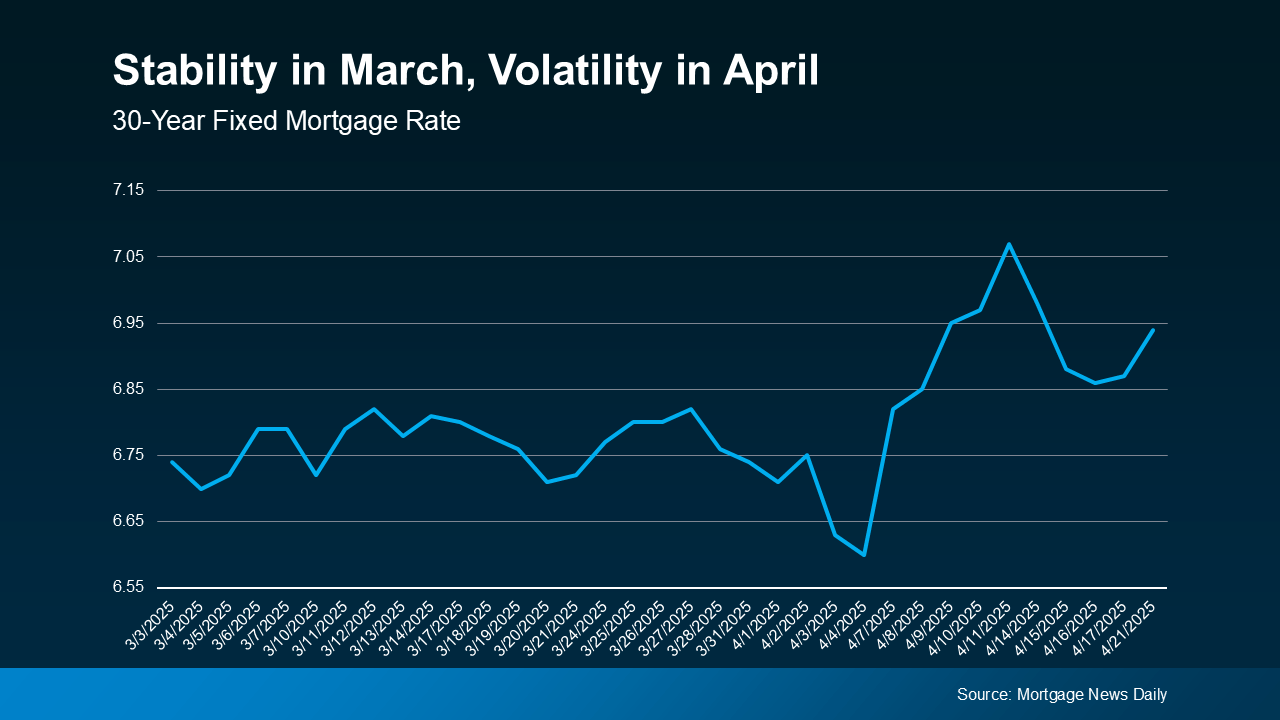
And the timing of this recent decline is great because it gives you a little bit of relief going into the spring market. Just remember, mortgage rates can be a quickly moving target, so you should expect some volatility going forward. But the window you have as they’re coming down right now might be the sweet spot for your purchasing power now.

What Lower Rates Mean for Your Buying Power

Even small changes in rates can make a difference to your monthly payment. Here’s how the math shakes out. The chart below shows what a monthly payment (principal and interest) would look like on a $400K home loan if you purchased a house when rates were 7.04% back in mid-January (this year’s mortgage rate high), versus what it could look like if you buy a home now (see below):

a blue and white table with white textIn just a matter of weeks, the anticipated payment on a $400K loan has come down by over $100 per month. That’s a significant savings. When you’re making a decision as big as buying a home, every bit counts.

Just remember, shifts in the economy drove rates down faster than expected. But that can change, making rates volatile in the days and months ahead. So, if you’re waiting for rates to fall further before you buy, think hard about the current window of opportunity if you’re ready to act.

Bottom Line

Mortgage rates have dipped, giving buyers a bit more immediate breathing room. If you’ve been waiting for rates to ease before jumping in, this could be your window.

Would a lower monthly payment make buying a home feel more doable for you?

Connect with an agent to break down the numbers and find out.

#fidelityhomegroup, #floridamortgage, #floridamortgagerates, #mortgageflorida

Should I Buy a Home Right Now? Experts Say Prices Are Only Going Up

Should I Buy a Home Right Now? Experts Say Prices Are Only Going Up Simplifying The Market

At one point or another, you’ve probably heard someone say, “Yesterday was the best time to buy a home, but the next best time is today.”

That’s because nationally, home values continue to rise. And with mortgage rates still stubbornly high and home prices going up, you may be holding out for prices to fall or trying to time the market for that perfect rate. But here’s the truth: waiting for the right moment could cost you in the long run.

Home Prices Are Still Rising – Just at a More Normal Pace

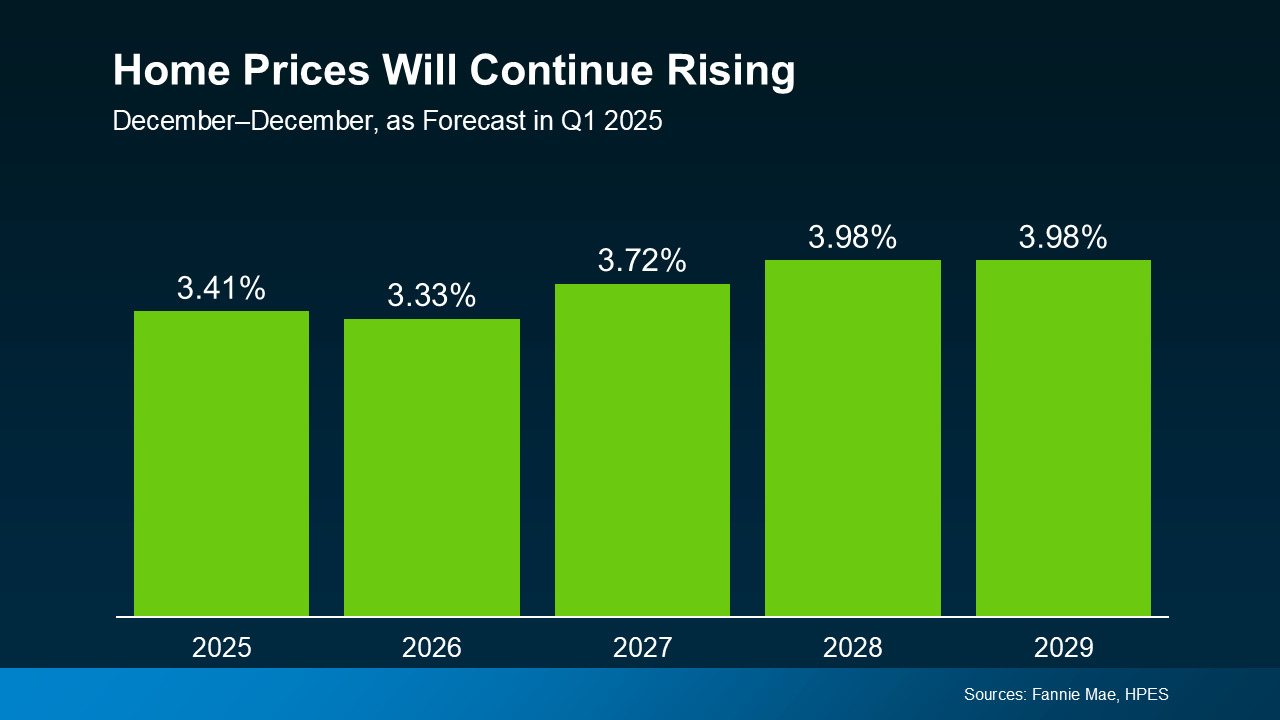
The idea that prices will drop dramatically is wishful thinking in most markets. According to the Home Price Expectations Survey from Fannie Mae, industry analysts are saying prices are projected to keep rising through at least 2029.

While we’re no longer seeing the steep spikes of previous years, experts project a steady and sustainable increase of around 3-4% per year, nationally. And the good news is, this is a much more normal pace – a welcome sign for hopeful buyers (see graph below):

What This Means for You

While it’s tempting to wait it out for prices or mortgage rates to decline before you buy, here’s what you’ll need to consider if you do.

  • Tomorrow’s home prices will be higher than today’s. The longer you wait, the more that purchase price will go up.
  • Waiting for the perfect mortgage rate or a price drop may backfire. Even if rates dip slightly, rising home prices could still make waiting more expensive overall.
  • Buying now means building equity sooner. Home values are rising, which means your investment starts growing as soon as you buy.

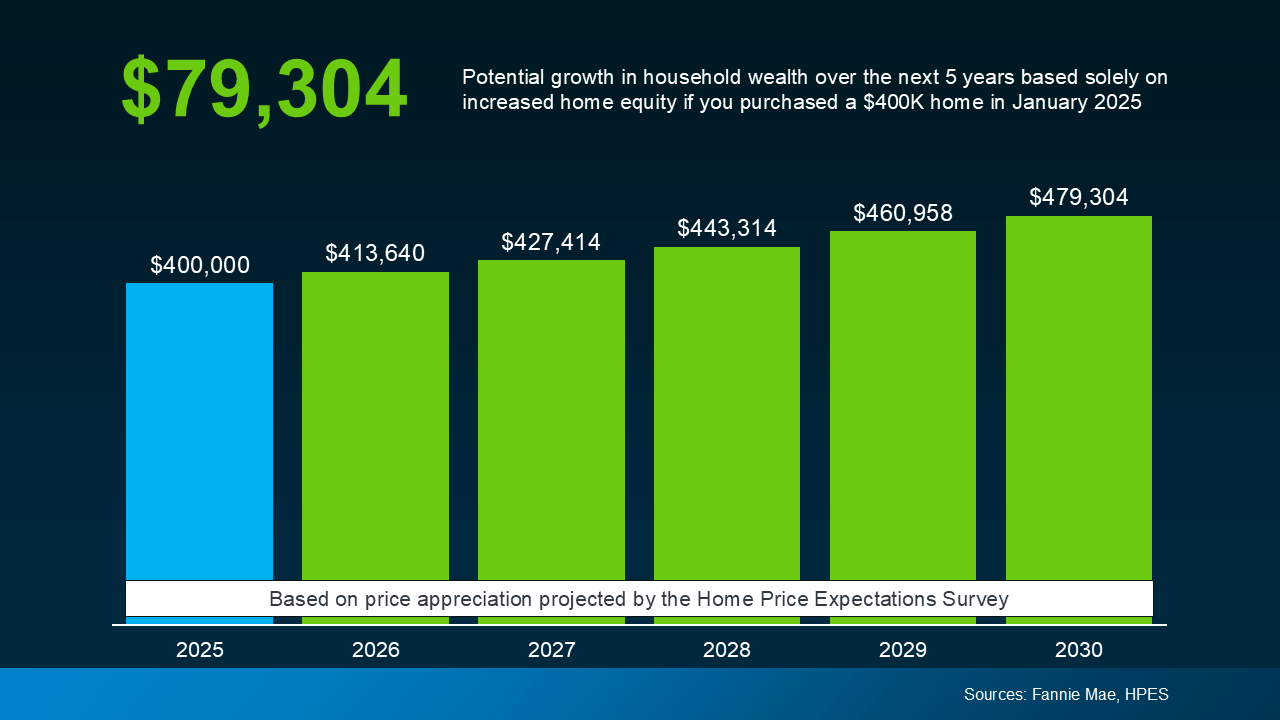
Let’s put real numbers into this equation. If you purchase a $400,000 home today, based on these price forecasts, it’s expected to go up in value by more than $83,000 over the next five years. That’s some serious money back in your pocket instead of being left on the sidelines (see graph below):

Why Aren’t Prices Dropping? It’s All About Supply and Demand

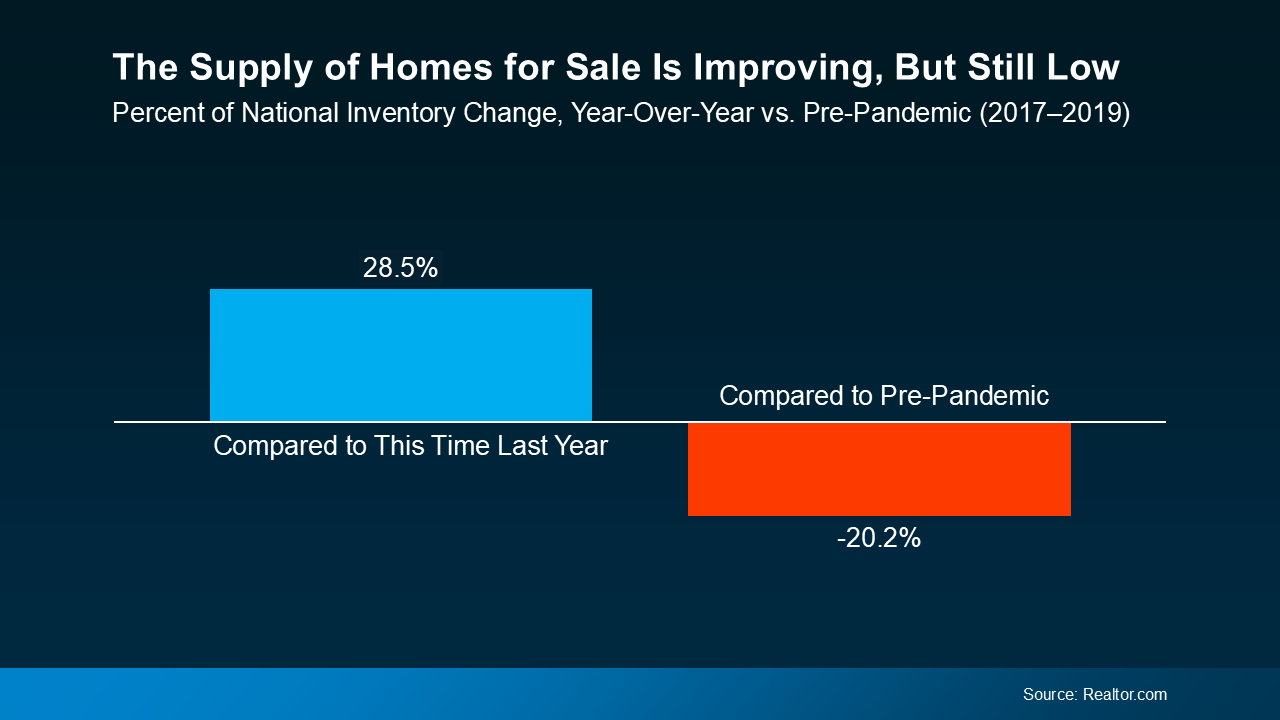
Even though there are more homes for sale right now than there were at this time last year, or even last month, there still aren’t enough of them on the market for all the buyers who want to purchase them. And that puts continued upward pressure on prices. As Redfin puts it:

“Prices will rise at a pace similar to that of the second half of 2024 because we don’t expect there to be enough new inventory to meet demand.”

While every market is different, most areas will continue to see moderate price growth. Some may level off a bit, but a major national drop? Not likely.

Bottom Line

Time in the Market Beats Timing the Market

If you’re debating whether to buy now or wait, remember this: real estate rewards those who get in the market, not those who try to time it perfectly.

Yes, today’s housing market has its challenges, but there are ways to make it work —exploring different neighborhoods, considering smaller condos or townhomes, asking your lender about alternative financing, or tapping into down payment assistance programs. The key is making a move when it makes sense for you rather than waiting for a perfect scenario that may never arrive.

Want to take a look at what’s happening with prices in your local market? Whether you’re ready to buy now or just exploring your options, reach out to a local agent so you have a plan in place that’ll set you up for success.

#fidelityhomegroup, #floridamortgage, #floridamortgagerates, #mortgageflorida

Florida Mortgage | Why Buying a Home Now Is Your Winning Play

Florida Mortgage | Why Buying a Home Now Is Your Winning Play While you may think sitting on the sidelines until spring is a good move, buying this winter may be the better play. Moving now means less competition, more time to decide, and lower prices. Let’s connect so you can stay ahead of the game and outrun the competition. NMLS ID 1834853 #mortgagetips #floridamortgage #floridamortgagerates #floridamortgagecompany

#fidelityhomegroup, #floridamortgage, #floridamortgagerates

Do You Know What Your House Is Really Worth?

Do You Know What Your House Is Really Worth? Simplifying The Market

a map of the united states with a couple of potted plants

Some Highlights

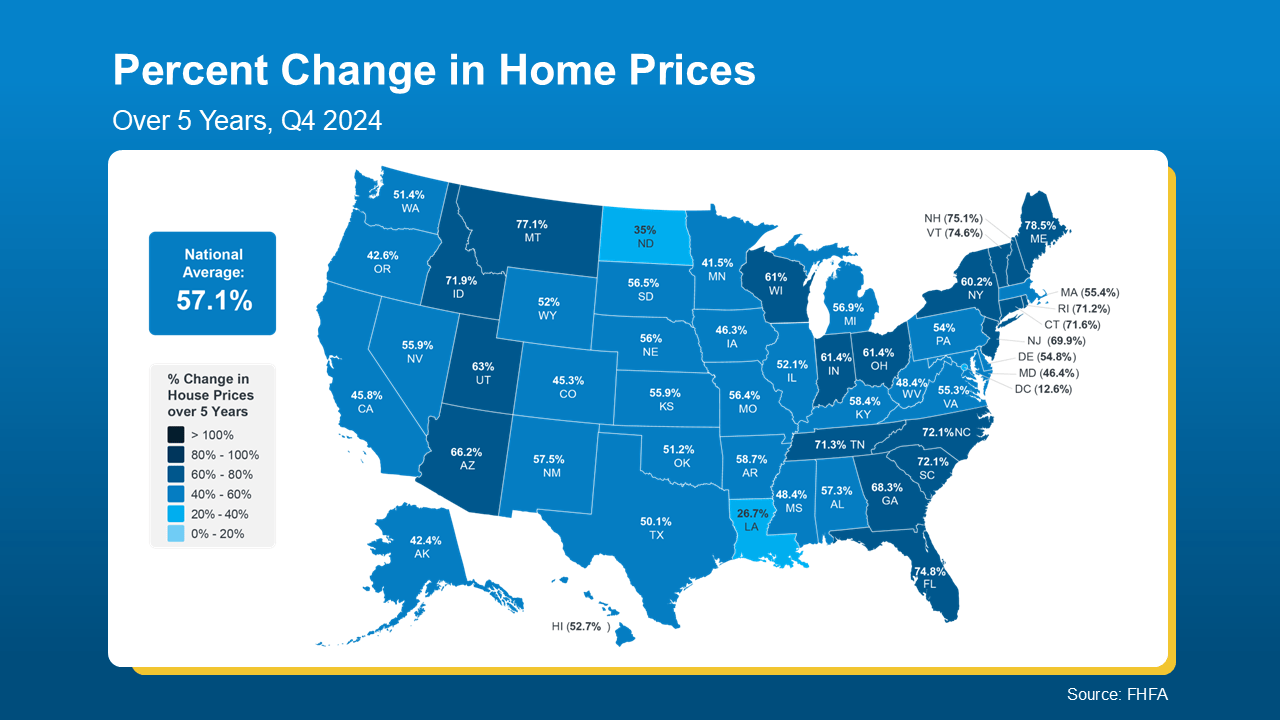
  • Over the past 5 years, home prices have risen dramatically. If you own a home, that means your house may be worth a lot more than you think. ?
  • Nationally, prices are up nearly 60% since 2019. ?And, if selling has been on your mind, you can use that bigger-than-expected return to power your next move.
  • If you want to know how much your home is worth in today’s market, reach out to a local agent.? The number may surprise you.

#fidelityhomegroup, #floridamortgage, #floridamortgagerates, #mortgageflorida

5 Spring Home Maintenance Tasks You Don’t Want To Forget

5 Spring Home Maintenance Tasks You Don’t Want To Forget Simplifying The Market

Spring is a season of renewal, and as a homeowner, it’s easy to get swept up in the day-to-day of life. But maintaining your home is an important part of protecting the long-term value of your investment.

So, whether you own a house already or you’re planning to become a homeowner this year, here are five essential spring home maintenance tasks you don’t want to overlook. Save this as your helpful resource to come back to year after year.

1. Clean Your Gutters

Winter weather can leave behind debris, like leaves and twigs, clogging your gutters. If water can’t flow freely, it can lead to roof leaks or foundation damage. Hiring a professional to take on the height of this job is probably best, but if you’re an ace on a sturdy ladder, this may be your thing. Either way, keeping them clean and clear is a must.

2. Wash Your Windows and Screens

Spring is the perfect time to let the sunlight in – but dirty windows can dull the view. Remove and wash your window screens, then use a window cleaner or a vinegar-water mix to make your glass sparkle. It’s a simple job that can instantly brighten your home while also keeping dirt and build-up from settling in permanently.

3. Service Your HVAC System

Spring also means it’s time to schedule a tune-up for your heating, ventilation, and air conditioning system. A professional can clean and inspect your system, ensuring it’s ready to keep you cool during the summer months while also fixing any damage that may have occurred over the winter. When the summer weather heats up, you don’t want to be calling for an emergency issue that could have been prevented with regular maintenance.

4. Rake and Clear Debris from Your Yard

After a long winter, your yard likely needs a little TLC. Rake up leaves, sticks, and other debris to give your lawn room to flourish. Not only does this make your yard look tidy, but it also helps promote healthy grass growth for the warmer months ahead.

5. Refresh Your Exterior Paint and Caulking

This season is a great time to touch up your home’s exterior paint and check the caulking around windows and doors. This helps prevent water damage and keeps your home looking fresh and inviting.

Bottom Line

Owning a home is a rewarding journey, but it comes with responsibilities. By staying on top of these spring maintenance tasks, you can protect your investment and enjoy your home to the fullest. A little effort now goes a long way when it comes to keeping your home safe, efficient, and beautiful for years to come.

Don’t let these essential tasks sit on the back burner. Your future self will thank you.

What’s on your to-do list this season? I’ll make sure you hit all the homeowner must-do’s and connect you to some local pros I trust who can help get the jobs done.

#fidelityhomegroup, #floridamortgage, #floridamortgagerates, #mortgageflorida

Pre-Approval Is the Homebuying Step You Can’t Afford To Skip

Pre-Approval Is the Homebuying Step You Can’t Afford To Skip Simplifying The Market

There’s one essential step in the homebuying process you may not know a whole lot about, and that’s pre-approval. Here’s a rundown on what it is and why it’s so important to take care of before you start looking at homes with your RE/MAX® agent. 

What Is Pre-Approval?

Pre-approval is like getting the green light from a lender. It gives you a sense of how much they’re willing to let you borrow for your home loan. To determine that number, a lender starts by looking at your financial history. Here are some of the documents they may ask you for during this process:

  • W-2s and tax returns
  • Pay stubs and bank statements
  • Investment account statements (if applicable)
  • History of where you’ve lived

 The result? They’ll assess your financial situation, and you’ll get a pre-approval letter showing what you can borrow. Keep in mind, any changes to your finances can affect your pre-approval status. So, after you receive your letter, avoid switching jobs, applying for new credit cards or other loans, co-signing for loans, or taking money from your savings.

How It Helps You Determine Your Borrowing Power

This year, home prices are expected to rise moderately in most markets, and mortgage rates are stabilizing, but still volatile. And since affordability continues to be tight, it’s a good idea to talk to a lender about your home loan options and how today’s changing mortgage rates will impact your monthly payment.

The pre-approval process is the perfect time for that discussion. Since it determines the maximum amount you can borrow, pre-approval also helps you figure out your budget. And keep in mind, you may get approved for more than you feel comfortable borrowing, so use this time to decide what you can afford in your monthly mortgage payment as you factor in taxes, insurance, and other costs you will incur as a homeowner. Once you know what works for you financially, partner with your RE/MAX® agent to tailor your search to homes that match your budget. That way, you don’t fall in love with a house that’s realistically outside of your comfort zone.

How It Helps You Stand Out 

Once you find a home you want to put an offer on, pre-approval has another big perk. It not only makes your offer stronger, it shows sellers you’ve already undergone a credit and financial check. So, when a seller sees you’re pre-approved, they view you as a much more serious buyer and may be more attracted to your offer because it is more likely to go through. And for a seller who is ready to close a deal, an offer that’s backed by pre-approval makes a big difference. 

As Greg McBride, Chief Financial Analyst at Bankrate, says:

“Preapproval carries more weight because it means lenders have actually done more than a cursory review of your credit and your finances, but have instead reviewed your pay stubs, tax returns and bank statements. A preapproval means you’ve cleared the hurdles necessary to be approved for a mortgage up to a certain dollar amount.”

Bottom Line

If you’re planning on buying a home, getting pre-approved for a mortgage should be one of the first things on your to-do list. Not only will it give you a better understanding of your borrowing power, it’ll put you in the best position possible to make a strong offer when you find a home you love.

Do you know what else you need to do to make sure you’re ready to buy? Reach out, and I’ll make sure you don’t skip any of the key homebuying steps.

#fidelityhomegroup, #floridamortgage, #floridamortgagerates, #mortgageflorida

Why a Pre-Listing Inspection May Be Worth It in Today’s Market

Why a Pre-Listing Inspection May Be Worth It in Today’s Market Simplifying The Market

Selling a house comes with a lot of moving pieces, and the last thing you want is a deal falling apart over unexpected repairs uncovered during the buyer’s inspection. That’s why it pays to anticipate potential issues before buyers ever step through the door. And one way to do that is with a pre-listing inspection.

What Is a Pre-Listing Inspection? 

A pre-listing inspection is essentially a professional home inspection you schedule before putting your house on the market. Just like the inspections your buyer will do after making an offer, this process identifies any issues with the condition of your house that could have an impact on the sale – like structural problems, faulty or outdated HVAC systems, or other essential repairs.

While it’s a great option if you’re someone who really doesn’t like surprises, Bankrate explains this may not make sense for all sellers:

While it can be beneficial for a seller to do, a pre-listing inspection isn’t always necessary. For example, if your home is relatively new and you’ve been the only owner, you’re most likely already aware of any big issues that could impact a sale. But for an older home, a pre-listing inspection can be very insightful and help you get ahead of any potential problems.

The key is deciding whether the benefits outweigh the costs for your situation. Sometimes a few hundred dollars now can get you information that’ll save you a lot of time and hassle later on.

Why It May Be Worth Considering in Today’s Market

Right now, buyers are more cautious about how much money they’re spending. And they want to be sure the home they’re buying is worth the expense. In a market like this, a pre-listing inspection can be your secret weapon to make sure your house shows well. Here are just a few ways it can help:

  • Gives You Time To Make Repairs: When you know about issues ahead of time, it gives you the chance to fix them on your schedule, rather than rushing to make repairs when you’re under contract.
  • Avoid Surprises During Negotiations: When buyers discover issues during their own inspection, it can lead to last-minute negotiations, price reductions, or even a deal falling through. A pre-listing inspection gives you a chance to spot and address any problems ahead of time, so they don’t turn into last-minute headaches or negotiation roadblocks.
  • Sell Your House Faster: According to Rocket Mortgage, if your house is listed in the best shape possible, there won’t be as many reasons for buyers to ask for concessions. That means you should be able to cut down on negotiation timelines and ultimately sell faster.

How Your Agent Will Help

But before you think about reaching out to any inspectors to get something scheduled, be sure to talk to an agent. Your agent will be able to give you advice on whether a pre-inspection is worthwhile for your house and the local market. Because it may not be as important if sellers still have the majority of the negotiation power where you live.

If your agent does recommend moving forward and getting one done, here’s how they’ll support you throughout the process.

  • Offer Advice on How To Prioritize Repairs: If the inspection uncovers problems, your agent will sit down with you and offer perspective on what’s going to be a sticking point for buyers so you know what to prioritize.
  • Knowledge of How To Handle Any Disclosure Requirements: After talking to your agent, you may decide not all of the repairs are worth it right now. Just be ready to disclose what you’re not tackling. Some states require disclosures as a part of a listing – lean on your agent for more information.

Bottom Line

While they’re definitely not required, pre-listing inspections can be especially helpful in today’s market. By understanding your home’s condition ahead of time, you can take control of the process and make informed decisions about what to fix before you list and what to disclose.

If you choose to skip this step, you may be just as surprised as your buyer by what pops up in their inspection. And that could leave you scrambling. Would you rather fix issues now or risk trying to save the deal later?

Connect with a local agent to see if this is a step that makes sense in your market.

#fidelityhomegroup, #floridamortgage, #floridamortgagerates, #mortgageflorida